| HEALTH JIGSAW | Call us now 0403-009-277 |

March 2011
Did you know that March was originally the first month of the year? In Rome, March was the first month of spring and therefore a logical point for the start if the year. The ancient Romans later made January 1 the beginning of the year and March became the third month on the calendar. There is only one month left in daylight saving so make the most of it and fit in some walking or other exercise after work.
For those of you who completed FebFast, CONGRATULATIONS and no doubt you are now feeling healthier and hopefully lost a few centimetres off your waist and hips. If you missed out on FebFast or want another challenge, there is Dry July coming up.
In this month's newsletter:
-
What to eat before, during and after exercise.
-
What's wrong with scales.
-
Dates for your diary.
- Not on Facebook.
What To Eat Before, During And After Exercise
| What you eat before and during your workout can affect how you perform on the sporting field or while you’re training. What you eat afterwards will help your body recover. | 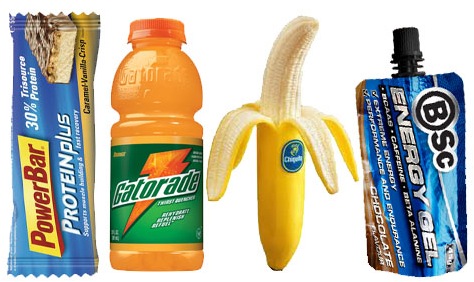 |
Before Exercise
To perform at your best, you need a combination of quality carbohydrates, lean protein, heart-healthy fats and fluids. Carbohydrates (breads, cereals, pasta, rice, fruits, and vegetables) provide energy for your body while protein is needed to build and maintain muscles.
The ideal pre-workout meal (eaten at least 2 hours before your workout) should be made up of foods that you know your stomach will tolerate – it is not the time to try a new food. The meal should be low in fat, have moderate amounts of carbohydrates and protein and washed down with plenty of liquids (water is best). Stay away from alcohol, soft drinks and fried foods.
During Exercise
Keeping your body well hydrated will improve your performance. If you are dehydrated during exercise, your body temperature can reach dangerously high levels. You can test how much water you need for a workout by weighing yourself before and after exercise and replace the lost weight with one litre of fluids for each kilogram lost. You can also check the colour of your urine – when you're hydrated, your urine will be a light straw colour or clear.
Normally water is the best source for hydration. If you're exercising for more than 60 minutes (especially in hot and/or humid conditions) or it you are a heavy sweater, sports drinks provide not only fluid, but also carbohydrate and electrolytes. However, most sports drinks are usually high in kilojoules – so go easy on them or dilute them with water.
If you are exercising for more than 60 to 90 minutes (depending on intensity), a piece of fruit is ideal if you need to eat. Sports gels are generally not really suited to recreational athletes. These gels are concentrated forms of carbohydrate, which can help long-distance cyclists and runners get some quick fuel during exercise. Since they are so concentrated, they should be washed down with water to avoid stomach upset.
After Exercise
Some research indicates that the optimal post-workout meal should contain around 10g of protein and 20g of carbohydrates. Muscles need protein for recovery and growth, ideally within 20 minutes after exercise. If you’re looking at protein bars, choose ones that contain naturally occurring sugars and are low in fat. Some expensive protein bars are should really be classified as confectionary – so keep away from these high energy (kilojoules) ones.
Exercising on an Empty Stomach
If you’re going for a brisk walk or light jog, especially in the morning, an empty stomach is fine but make sure you are well hydrated. For more intense workouts, eat some easy-to-digest carbohydrates (a slice of toast or a banana). The overnight sleep can deplete the carbohydrates in your body, so a quick top-up around 30 minutes before exercise is recommended.
What's Wrong With Scales
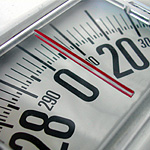 |
Scales measure your total body weight only - they don’t tell you how many of those kilograms are muscle, bones, blood and fat. Imagine muscle is like a brick and fat is like a cotton ball. It takes far more cotton balls than bricks to make up one kilogram. Muscles are much denser than fat, so a kilogram of fat takes up more space in your body than a kilogram of muscle. |
If you start a program of moderate to vigorous aerobic exercise for 30 minutes, three to four days per week, plus strength training two to three days per week and combine this with sensible eating, research suggests you could potentially lose around 0.5kg of body fat safely per week. Therefore, this new lifestyle could help you lose 6kg of body fat over the next three months. In addition, your strength training program could help you gain about 1.5kg of lean muscle, which is a very positive change.
If you use the scale as your only reference point, you would only see a net weight loss of 4.5kg and might be tempted to think your new lifestyle isn’t working very well. Due to fat’s lower density, the 6kg loss would be more evident as smaller measurements around your stomach, hips and thighs. Muscle tissue not only helps you become stronger, making daily activities easier, it expends kilojoules (calories) all day long, even when you are resting. Over the course of a year, a few added kilograms of muscle can help you burn thousands of additional kilojoules.
Your body weight can fluctuate by a few kilograms over the course of a day due to the amount of water in your body, how much you sweat, a big meal, or hormonal changes in women. However, measuring changes in body fat and the way your clothes fit are far better indicators of your progress towards improved health.
Dates For Your Diary
Below are our social events for the rest of the year - mark these dates in your diary. These events are designed to keep you active on the weekends and can compliment your current training regime.
|
 |
For more information on future social events, please email us at andrew@healthjigsaw.com or visit our Facebook page.
Not On Facebook
| In addition to eNewsletters, we also provide other health and fitness information on our Facebook page. For those of you who are not on Facebook, below is a list of blogs or links posted during February: |  |
- How Many Packets of Sugar Do You Have Each Day? [Youtube video: How just a few sugary drinks a day adds up to a whopping 93 packets of sugar and could lead to some serious diseases.]
- Aerobic Exercise Can Increase Brain Size [Research showing that aerobic exercise may keep the ageing brain - as well as the ageing body - in fighting form.]
- Your Brain and Dehydration [Health Jigsaw blog: a formula for working out how much water you should be drinking each day.]
- The Biggest Loser Lies [Response from Healthy Kids Association in relation to advice given on radio by Tiffany Hall, the new trainer from The Biggest Loser.]
- Kilojoules and Fast Food [Article by nutritionist Catherine Saxelby regarding new legislation requiring fast food chains to display the kilojoule counts of their food with the same prominence as the price.]
- Processed Food in Early Childhood May Stunt IQ [Research showing that a diet, high in fats, sugars, and processed foods in early childhood may lower IQ.]
- Keys To Better Sleep [Health Jigsaw blog: a few things you can do to getting a better night’s sleep.]
- Can Diet Soda Boost Your Stroke Risk? [New research suggests that drinking diet soft drinks may increase the risk of strokes.]
- Ways To Shrink Your Waist Without Dieting [Health Jigsaw blog: a few “secrets” on shrinking your waist without dieting.]
- No More Excuses [Health Jigsaw blog: While Michael Jordan may have a God-given gift to play basketball, he had to put in a lot of hard work. Failure gave him strength. Pain was his motivation.]
- 55 Reasons to Exercise Regularly [Health Jigsaw blog: If you are not exercising regularly, here are 55 reasons why you should.]
- 7 Things You Need to Know Before You Bite Another Apple [Article by dietitian Emma Stirling on apples.]
- Choice Reviews Sweet Snacks [Some snacks are better than others - Choice reveal the best options.]
Nothing contained in this Newsletter is intended to be used as medical advice and is not intended to be used to diagnose, treat, cure or prevent any disease, nor should it be used for therapeutic purposes or as a substitute for your own health professional's advice.
Our mobile personal trainers/fitness coaches can come to you in the following areas of Sydney:
If you want to engage our services at a location we have not listed above, please contact us as we may be able to cater to your request. |
CONNECT & SHARE
Keep up to date with the latest events, photos and health and fitness tips.
SUBSCRIBE TO OUR NEWSLETTERS
Telephone:
0403-009-277
Email:
andrew@healthjigsaw.com

 Terms & Conditions | Privacy & Disclaimer